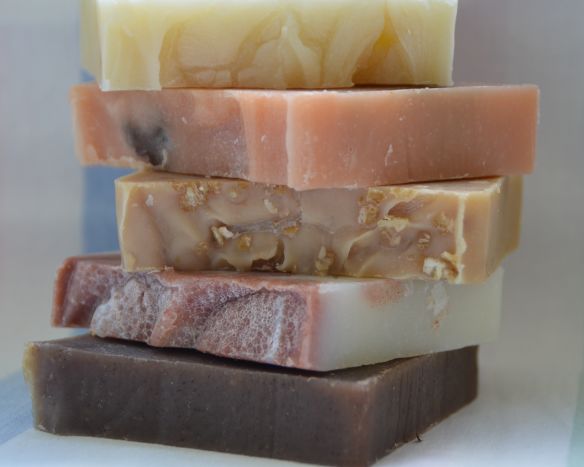
Natural soap is produced using the same methods that were developed hundreds of years. We have refined the ingredients and have many more beautiful natural additives that we can now use, but the process is still the same. True soap is always natural – supermarket soap is actually solid chemical detergent – it contains natural oils and butters, either animal of plant derived. Natural soap is saponified using a strong alkaline which is neutralised by the oils and butters and produces a hard bar of soap. There are many benefits of natural soap, some of which are explained below. The biggest benefit however, is that using natural soap can reduce the chemical load that your body is exposed to. Unlike commercial soaps which contains synthetic lather elements, artificial colors and harsh chemicals, handmade natural soaps usually contain only plant derived substances. These substances are so much less likely to cause irritation of rednedd when being used. Our skin is very absorbent. The skin obsorbs everything put on it – usually within seconds. So, if you wouldn’t eat it, you shouldn’t be putting it on your skin.
It doesn’t end there though – check out these benefits of natural soap.
In the making of natural soap, glycerine, which moisturises or skin naturally, is preserved, not separated out like commercial soaps. Glycerine moisturises and hydrates our skin and helps us to avoid dry and rough skin.
As our natural soap is made from vegetable oils, it maintains the natural oil of your skin, which protects your skin from harmful effects of wind, sun and even bacteria.
Natural soap is feeds your skin your skin the fatty acids it needs to stay healthy – AND it is also good for Aotearoa and our planet Earth.
As natural soap is chemical free, it may help skin problems like acne, eczema and psoriasis.
Natural soap has anti-oxidant nutrients. The anti-oxidant nutrients provides long life to skin cell.
Natural soap helps you to balance your skin complexion.
This soap is not only good skin, organic soap also gives wonderful aromatic smell.
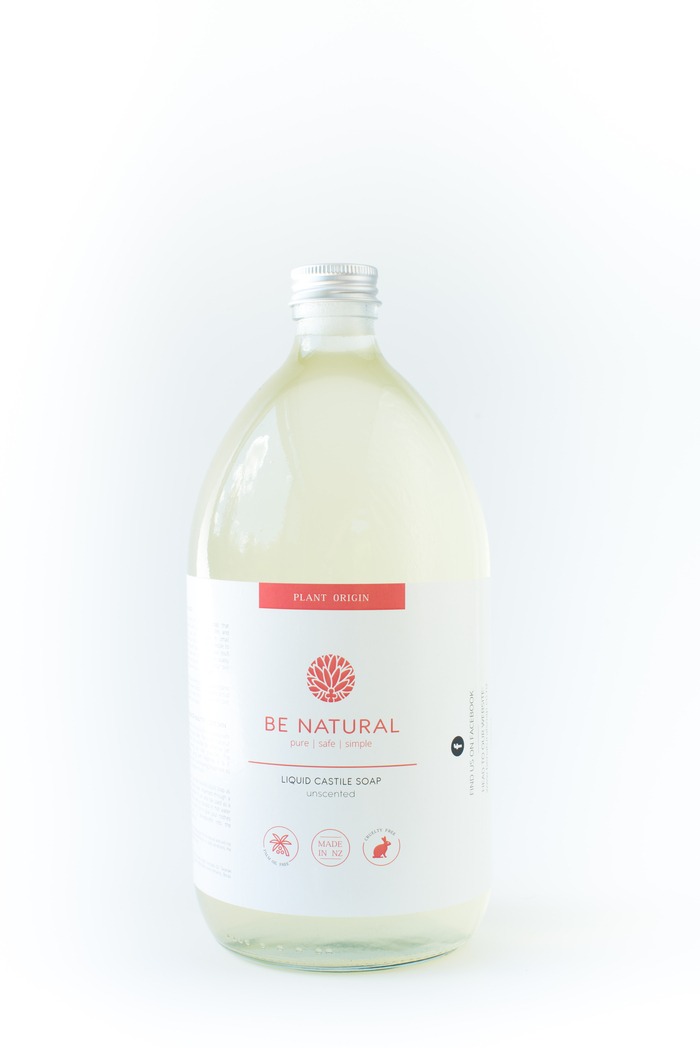
Be Natural Soap has a large range of soaps, made here in New Zealand. Their is a soap for everyone – from facial bars through to hand scrubs. Go over and have a browse – worldwide shipping is available.
Be Natural originally made its first solid shampoo 4 years ago as part of its first product line up. However, solid shampoo wasn’t as popular ‘back in the old days’ so it didn’t sell that well. Fast forward to 2017 and we have relaunched the shampoo soap due to popular demand! Solid Shampoo is a …
Why You Should Stay Away From Antibacterial Soap (And Use Natural Soap Instead) We all want to live safe and healthy lives, and the personal hygiene and cleaning products we select for ourselves and our loved ones indisputably play a role in that. But sometimes certain products, like antibacterial soap and even some hand sanitizers, …
With so many products jumping on the ‘natural’ bandwagon, it can be tricky to know which ones truly are good for your skin, and which ones just say they are. When choosing a soap for you and your family, it is best to look for one that retains the glycerin that is produced naturally during …
For some time I have been aware of the damaging affects that chemicals in everyday products can have on our children. Clever and powerful marketing combined with busy lives means often we reach for the nearest and easiest solution to cleaning, protecting and treating our children. But with a bit of time, you can make …


Benefits of Organic Handmade Soap
What are the benefits of natural soap?
Natural soap is produced using the same methods that were developed hundreds of years. We have refined the ingredients and have many more beautiful natural additives that we can now use, but the process is still the same. True soap is always natural – supermarket soap is actually solid chemical detergent – it contains natural oils and butters, either animal of plant derived. Natural soap is saponified using a strong alkaline which is neutralised by the oils and butters and produces a hard bar of soap. There are many benefits of natural soap, some of which are explained below. The biggest benefit however, is that using natural soap can reduce the chemical load that your body is exposed to. Unlike commercial soaps which contains synthetic lather elements, artificial colors and harsh chemicals, handmade natural soaps usually contain only plant derived substances. These substances are so much less likely to cause irritation of rednedd when being used. Our skin is very absorbent. The skin obsorbs everything put on it – usually within seconds. So, if you wouldn’t eat it, you shouldn’t be putting it on your skin.
It doesn’t end there though – check out these benefits of natural soap.
Be Natural Soap has a large range of soaps, made here in New Zealand. Their is a soap for everyone – from facial bars through to hand scrubs. Go over and have a browse – worldwide shipping is available.
Related Posts
All about our Eco Shampoo – Be Silky
Be Natural originally made its first solid shampoo 4 years ago as part of its first product line up. However, solid shampoo wasn’t as popular ‘back in the old days’ so it didn’t sell that well. Fast forward to 2017 and we have relaunched the shampoo soap due to popular demand! Solid Shampoo is a …
Antibacterial soap – Skip It!
Why You Should Stay Away From Antibacterial Soap (And Use Natural Soap Instead) We all want to live safe and healthy lives, and the personal hygiene and cleaning products we select for ourselves and our loved ones indisputably play a role in that. But sometimes certain products, like antibacterial soap and even some hand sanitizers, …
What is Glycerin? Why it’s in Natural Soap.
With so many products jumping on the ‘natural’ bandwagon, it can be tricky to know which ones truly are good for your skin, and which ones just say they are. When choosing a soap for you and your family, it is best to look for one that retains the glycerin that is produced naturally during …
Children and the Toxic Load
For some time I have been aware of the damaging affects that chemicals in everyday products can have on our children. Clever and powerful marketing combined with busy lives means often we reach for the nearest and easiest solution to cleaning, protecting and treating our children. But with a bit of time, you can make …