Why You Should Stay Away From Antibacterial Soap (And Use Natural Soap Instead)
We all want to live safe and healthy lives, and the personal hygiene and cleaning products we select for ourselves and our loved ones indisputably play a role in that. But sometimes certain products, like antibacterial soap and even some hand sanitizers, can do more harm than good. In many cases, traditional soap is proven to be more effective than antibacterial soaps.
And while antibacterial soap sounds like a good idea at first, especially with its reputation for killing germs, it might actually be putting you more at risk.
One relatively simple (but still very dangerous) risk involves a key ingredient that can be found in much antibacterial soap: triclosan. Triclosan has been considered potentially hazardous by the FDA (Federal Drug Administration of the United States) since the late 1970s, due in no small part to the fact that when triclosan comes into contact with chlorinated water (which can be found in a wide variety of places these days) it has a chemical reaction that produces chloroform, a compound that is considered a carcinogen and known to be toxic and dangerous. In fact, the FDA has enacted a ban on triclosan in recent years, forbidding its use in many products such as hand soaps and body washes due to all the potential hazards it presents. Unfortunately, this ban is not universal and some products still contain triclosan.
Antibiotic resistance – Scary!
Another main risk factor (and perhaps the most concerning one) associated with antibacterial soaps is one that is becoming increasingly more important and talked about, and that is the rise of antibiotic-resistant strains of bacteria.
It’s becoming more widely known that the overuse or improper use of antibiotic medicine (and any product with antibacterial or anti-fungal properties) can result in the creation and evolution of more resilient bacteria. These bacteria, commonly called “super-bugs”, have adapted to be resistant to antibiotics and anti-bacterial products. In many cases, these mutated super-bugs are resistant to triclosan specifically. In general, this resistance to antibiotics means that some bacteria remain alive and unharmed by antibacterial products including it even while other more susceptible germs are killed.
And because these antibiotic-resistant bacteria are usually the primary survivors, that resistance grows and spreads, causing an increased risk for illnesses that cannot be treated with antibiotics. And if an illness cannot be treated in a timely manner (or treated at all, in some cases) the patient’s condition will only grow worse over time, both from the original illness as well as from the myriad of complications that can follow.
MRSA
Some bacteria, such as the notorious MRSA (which has the full designation of Methicillin-resistant Staphylococcus aureus) have even become resistant to numerous types of antibiotics, making it a bacterial strain that is incredibly difficult to treat.
In some cases, MRSA can lead to infections of the bloodstream, pneumonia, sepsis, and even death. And while accurately tracking the number of MRSA cases is currently quite difficult, it’s estimated that over a million people in the United States contract MRSA per year. The number of fatal cases has decreased recently due to efforts made by the CDC (Center for Disease Control) and the WHO (World Health Organization) but antibiotic-resistant bacteria remain a serious problem that is enabled by products like antibacterial soaps and washes. Therefore, it’s important to not become over-reliant on these types of products; they must be used cautiously and in moderation.
Normal non-antibacterial soap is also better for you because they contain fewer artificial ingredients. Many artificial chemicals that can be found in certain soaps (especially antibacterial ones) are potentially harmful to not just your skin but your overall health as well; some of these chemicals can even aggravate existing allergic conditions or cause skin conditions like rashes or eczema, making more natural soaps a much better option by comparison.
All in all, while the decision for whether or not to use antibacterial soaps is ultimately up to you, we sincerely hope that you consider the information we’ve shared here with you.
Palm Oil in Soapmaking FACT: Palm oil makes great soap. FACT: Be Natural does not and will never use Palm Oil in soapmaking. Lets look into this a bit further. Palm Oil needs land to grow. Much of the best growing regions for palm oil are in the Asia region, where precious rainforest is still …
Solution dyed nylon carpet is a disaster. I was wandering along the beach recovering from ankle surgery when I came across a half buried pile. I got upset. I can’t stand solution dyed nylon carpet, and I don’t understand why people choose to live on top of it. It emits tiny microplastics which clog the …
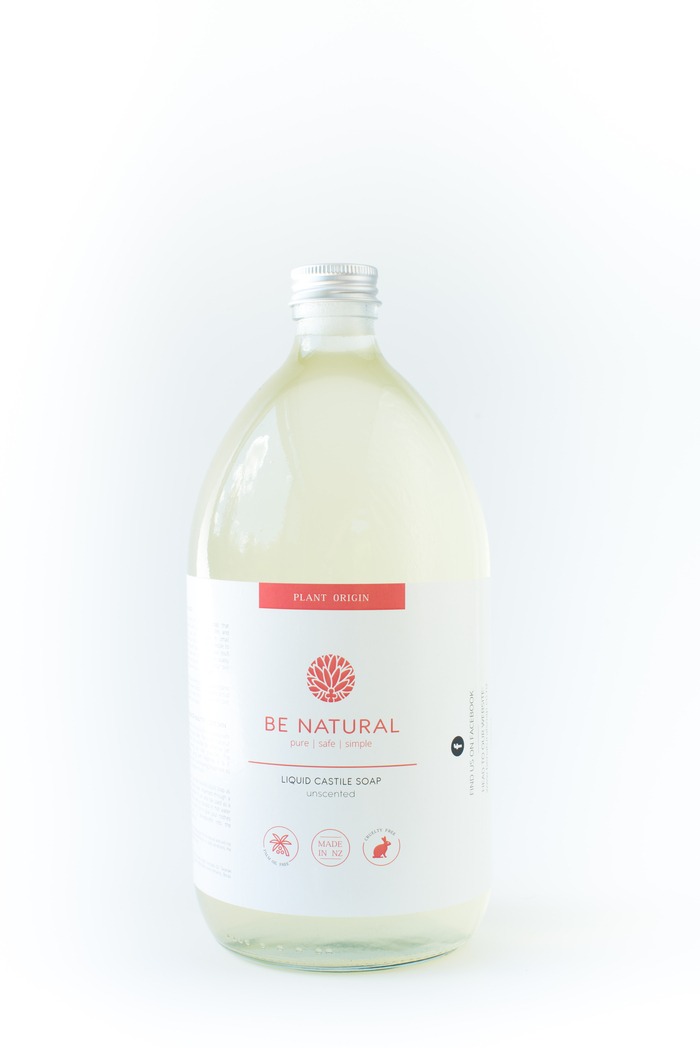
Liquid castile soap is becoming more popular as a home and household cleaner. This is for good reason. Made with simple, safe ingredients it packs a powerful cleaning punch without the harsh toxic chemicals present in commercial cleaners. Realistically, you could replace your entire suite of specific cleaning products with a natural castile soap. Forget …
Giving Up Plastic in The Home – Plastic Free Living There’s a lot of concern about the use of plastic because we use so much of it. Here in Aotearoa , hundreds of thousands of plastic bags, trays, cups, wrappers and other single use items are used everyday! We use plastic in so many different …

Antibacterial soap – Skip It!
Why You Should Stay Away From Antibacterial Soap (And Use Natural Soap Instead)
We all want to live safe and healthy lives, and the personal hygiene and cleaning products we select for ourselves and our loved ones indisputably play a role in that. But sometimes certain products, like antibacterial soap and even some hand sanitizers, can do more harm than good. In many cases, traditional soap is proven to be more effective than antibacterial soaps.
And while antibacterial soap sounds like a good idea at first, especially with its reputation for killing germs, it might actually be putting you more at risk.
One relatively simple (but still very dangerous) risk involves a key ingredient that can be found in much antibacterial soap: triclosan. Triclosan has been considered potentially hazardous by the FDA (Federal Drug Administration of the United States) since the late 1970s, due in no small part to the fact that when triclosan comes into contact with chlorinated water (which can be found in a wide variety of places these days) it has a chemical reaction that produces chloroform, a compound that is considered a carcinogen and known to be toxic and dangerous. In fact, the FDA has enacted a ban on triclosan in recent years, forbidding its use in many products such as hand soaps and body washes due to all the potential hazards it presents. Unfortunately, this ban is not universal and some products still contain triclosan.
Antibiotic resistance – Scary!
Another main risk factor (and perhaps the most concerning one) associated with antibacterial soaps is one that is becoming increasingly more important and talked about, and that is the rise of antibiotic-resistant strains of bacteria.
It’s becoming more widely known that the overuse or improper use of antibiotic medicine (and any product with antibacterial or anti-fungal properties) can result in the creation and evolution of more resilient bacteria. These bacteria, commonly called “super-bugs”, have adapted to be resistant to antibiotics and anti-bacterial products. In many cases, these mutated super-bugs are resistant to triclosan specifically. In general, this resistance to antibiotics means that some bacteria remain alive and unharmed by antibacterial products including it even while other more susceptible germs are killed.
And because these antibiotic-resistant bacteria are usually the primary survivors, that resistance grows and spreads, causing an increased risk for illnesses that cannot be treated with antibiotics. And if an illness cannot be treated in a timely manner (or treated at all, in some cases) the patient’s condition will only grow worse over time, both from the original illness as well as from the myriad of complications that can follow.
MRSA
Some bacteria, such as the notorious MRSA (which has the full designation of Methicillin-resistant Staphylococcus aureus) have even become resistant to numerous types of antibiotics, making it a bacterial strain that is incredibly difficult to treat.
In some cases, MRSA can lead to infections of the bloodstream, pneumonia, sepsis, and even death. And while accurately tracking the number of MRSA cases is currently quite difficult, it’s estimated that over a million people in the United States contract MRSA per year. The number of fatal cases has decreased recently due to efforts made by the CDC (Center for Disease Control) and the WHO (World Health Organization) but antibiotic-resistant bacteria remain a serious problem that is enabled by products like antibacterial soaps and washes. Therefore, it’s important to not become over-reliant on these types of products; they must be used cautiously and in moderation.
Natural Soaps have benefits
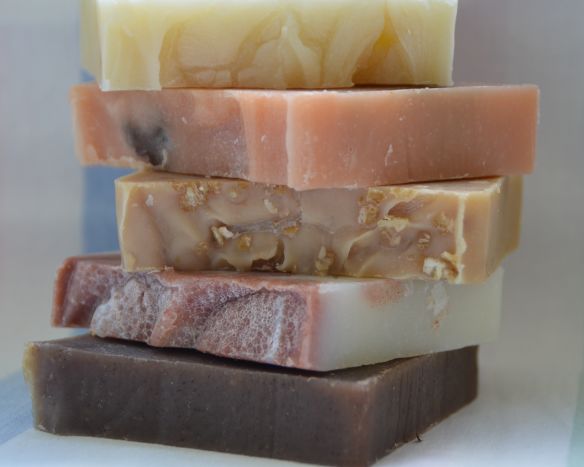
Additionally, natural soaps are actually quite beneficial to you. Handmade soaps, in particular, can be very hydrating for your skin, thanks to the glycerin they contain (which is a byproduct of the soap-making process). This glycerin can also result in softer and smoother skin. Read our previous blog on this topic!
Normal non-antibacterial soap is also better for you because they contain fewer artificial ingredients. Many artificial chemicals that can be found in certain soaps (especially antibacterial ones) are potentially harmful to not just your skin but your overall health as well; some of these chemicals can even aggravate existing allergic conditions or cause skin conditions like rashes or eczema, making more natural soaps a much better option by comparison.
All in all, while the decision for whether or not to use antibacterial soaps is ultimately up to you, we sincerely hope that you consider the information we’ve shared here with you.
Related Posts
Why we avoid Palm Oil
Palm Oil in Soapmaking FACT: Palm oil makes great soap. FACT: Be Natural does not and will never use Palm Oil in soapmaking. Lets look into this a bit further. Palm Oil needs land to grow. Much of the best growing regions for palm oil are in the Asia region, where precious rainforest is still …
Solution dyed nylon carpet is a disaster
Solution dyed nylon carpet is a disaster. I was wandering along the beach recovering from ankle surgery when I came across a half buried pile. I got upset. I can’t stand solution dyed nylon carpet, and I don’t understand why people choose to live on top of it. It emits tiny microplastics which clog the …
Natural Cleaning with Castile Soap
Liquid castile soap is becoming more popular as a home and household cleaner. This is for good reason. Made with simple, safe ingredients it packs a powerful cleaning punch without the harsh toxic chemicals present in commercial cleaners. Realistically, you could replace your entire suite of specific cleaning products with a natural castile soap. Forget …
Plastic Problem?
Giving Up Plastic in The Home – Plastic Free Living There’s a lot of concern about the use of plastic because we use so much of it. Here in Aotearoa , hundreds of thousands of plastic bags, trays, cups, wrappers and other single use items are used everyday! We use plastic in so many different …