One of things we get asked about a lot is borax – and why we use it.
This is usually because customers have read about borax, boric acid and/or sodium borate and have got a little confused.
The first thing to say is that it is NOT boric acid.
Boric acid is toxic and, as you know, our soaps are all made using safe, organic where we can, ingredients and we would never use anything that could cause harm.
Borax is a natural salt, an essential trace element needed in human physiology.
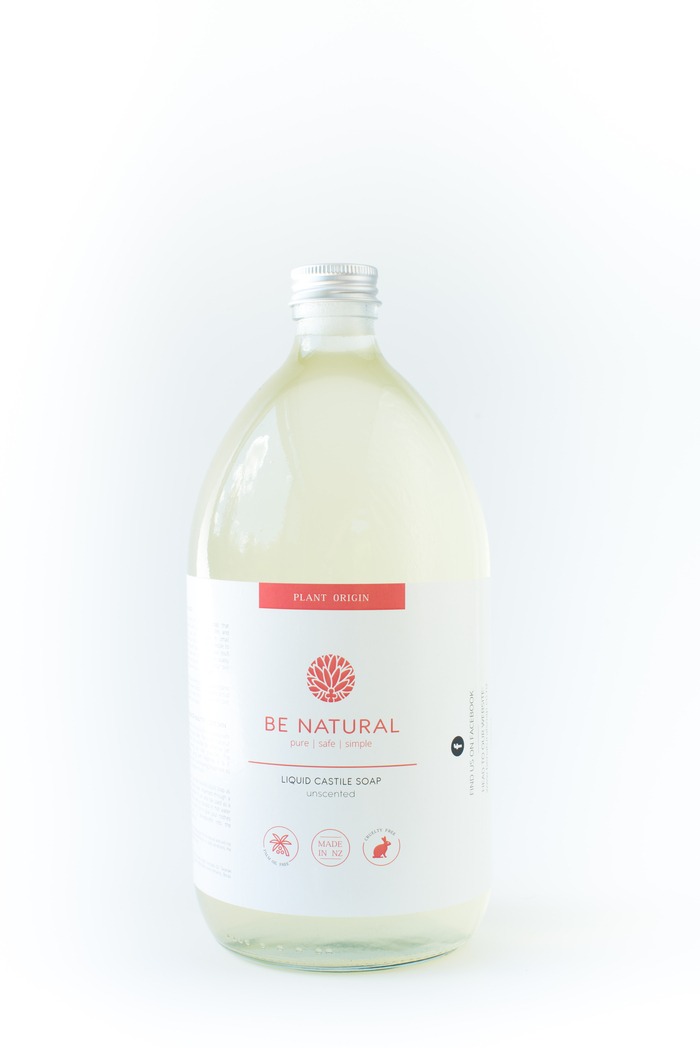
We use it in our castile soap towards the end of the process as a buffer solution, neutralising any remaining lye that has not saponified.
This stabilises the soap, therefore ensuring its safety, and softens it, making it more effective and able to produce more bubbles!
Now, are you ready for the science bit?
The difference between boric acid and borax is that boric acid is produced when borax is reacted with another acid (like sulfuric or hydrochloric acid). The result is an acid structure (pH of 5.0), rather than alkaline, as borax is (9.3 pH). Boric acid can be used as a pesticide, flame retardant and to reduce the probability of thermal fisson in some nuclear power plants.
If you google it some of the information can be a bit scary, but it is important to remember that while it can be an irritant in powder form, in solution (the way we use it in our soap) it doesn’t have the same effect.
Also, the studies talking about its toxicity have used it is very high concentrations and you can have too much of a good thing! It is not harmful to the body or the environment with normal use any more than salt or baking soda is.
Its addition actually helps us to make our soap safe to use – we checked with a bio-chemist who said its the amount that is important, and we only use it in very tiny concentrations – and natural exposure to it is actually beneficial for us.
Hopefully that helps – Be Natural soap is simple, pure and safe and borax helps us to make it that way!
Homeschool during Lockdown? Many of us are parents, and we are facing weeks at home with our children. And we feel we are facing ‘homeschool’ during lockdown. We’ve all be plunged into a situation we thought inconceivable not very long ago. I don’t want to use the word, ‘surviving’, and ‘thriving’ is laced with hard …
Liquid castile soap is becoming more popular as a home and household cleaner. This is for good reason. Made with simple, safe ingredients it packs a powerful cleaning punch without the harsh toxic chemicals present in commercial cleaners. Realistically, you could replace your entire suite of specific cleaning products with a natural castile soap. Forget …
Solution dyed nylon carpet is a disaster. I was wandering along the beach recovering from ankle surgery when I came across a half buried pile. I got upset. I can’t stand solution dyed nylon carpet, and I don’t understand why people choose to live on top of it. It emits tiny microplastics which clog the …


All About Borax!
All about borax in soap
One of things we get asked about a lot is borax – and why we use it.
This is usually because customers have read about borax, boric acid and/or sodium borate and have got a little confused.
The first thing to say is that it is NOT boric acid.
Boric acid is toxic and, as you know, our soaps are all made using safe, organic where we can, ingredients and we would never use anything that could cause harm.
Borax is a natural salt, an essential trace element needed in human physiology.
We use it in our castile soap towards the end of the process as a buffer solution, neutralising any remaining lye that has not saponified.
This stabilises the soap, therefore ensuring its safety, and softens it, making it more effective and able to produce more bubbles!
Now, are you ready for the science bit?
The difference between boric acid and borax is that boric acid is produced when borax is reacted with another acid (like sulfuric or hydrochloric acid). The result is an acid structure (pH of 5.0), rather than alkaline, as borax is (9.3 pH). Boric acid can be used as a pesticide, flame retardant and to reduce the probability of thermal fisson in some nuclear power plants.
If you google it some of the information can be a bit scary, but it is important to remember that while it can be an irritant in powder form, in solution (the way we use it in our soap) it doesn’t have the same effect.
Also, the studies talking about its toxicity have used it is very high concentrations and you can have too much of a good thing! It is not harmful to the body or the environment with normal use any more than salt or baking soda is.
Its addition actually helps us to make our soap safe to use – we checked with a bio-chemist who said its the amount that is important, and we only use it in very tiny concentrations – and natural exposure to it is actually beneficial for us.
Hopefully that helps – Be Natural soap is simple, pure and safe and borax helps us to make it that way!
One reply to “All About Borax!”
Pingback: Natural Cleaning with Castile Soap | Be Natural | New Zealand
Related Posts
Discover natural luxury – perfumes made locally.
Amaia + I Natural Perfume
Enjoying ‘homeschool’ with your treasures, during Lockdown.
Homeschool during Lockdown? Many of us are parents, and we are facing weeks at home with our children. And we feel we are facing ‘homeschool’ during lockdown. We’ve all be plunged into a situation we thought inconceivable not very long ago. I don’t want to use the word, ‘surviving’, and ‘thriving’ is laced with hard …
Natural Cleaning with Castile Soap
Liquid castile soap is becoming more popular as a home and household cleaner. This is for good reason. Made with simple, safe ingredients it packs a powerful cleaning punch without the harsh toxic chemicals present in commercial cleaners. Realistically, you could replace your entire suite of specific cleaning products with a natural castile soap. Forget …
Solution dyed nylon carpet is a disaster
Solution dyed nylon carpet is a disaster. I was wandering along the beach recovering from ankle surgery when I came across a half buried pile. I got upset. I can’t stand solution dyed nylon carpet, and I don’t understand why people choose to live on top of it. It emits tiny microplastics which clog the …