One of things we get asked about a lot is borax – and why we use it.
This is usually because customers have read about borax, boric acid and/or sodium borate and have got a little confused.
The first thing to say is that it is NOT boric acid.
Boric acid is toxic and, as you know, our soaps are all made using safe, organic where we can, ingredients and we would never use anything that could cause harm.
Borax is a natural salt, an essential trace element needed in human physiology.
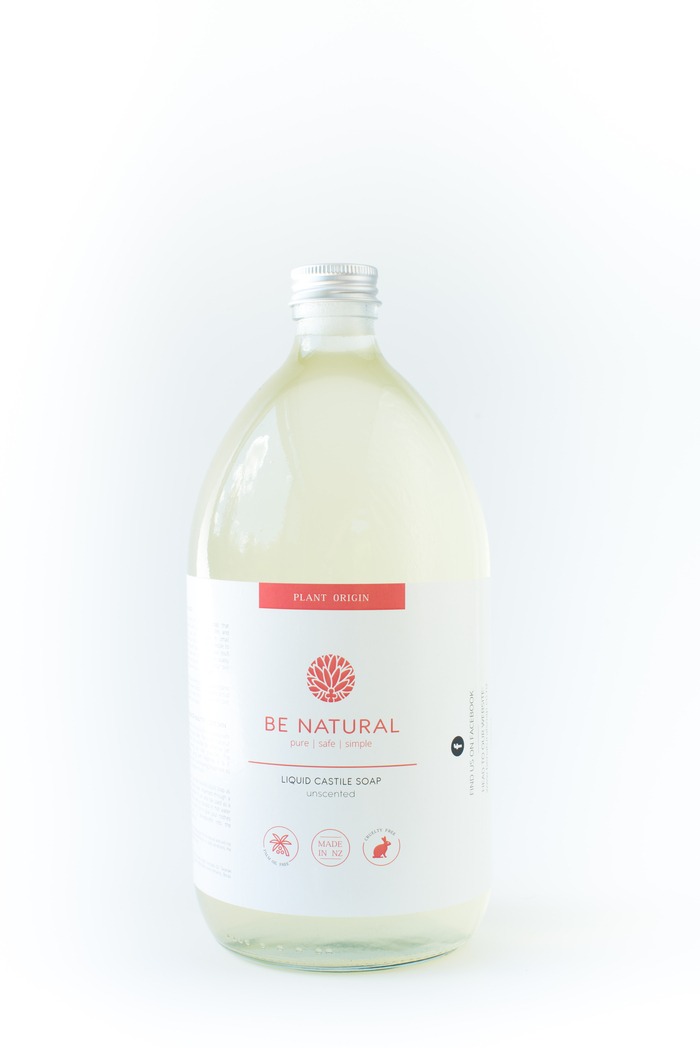
We use it in our castile soap towards the end of the process as a buffer solution, neutralising any remaining lye that has not saponified.
This stabilises the soap, therefore ensuring its safety, and softens it, making it more effective and able to produce more bubbles!
Now, are you ready for the science bit?
The difference between boric acid and borax is that boric acid is produced when borax is reacted with another acid (like sulfuric or hydrochloric acid). The result is an acid structure (pH of 5.0), rather than alkaline, as borax is (9.3 pH). Boric acid can be used as a pesticide, flame retardant and to reduce the probability of thermal fisson in some nuclear power plants.
If you google it some of the information can be a bit scary, but it is important to remember that while it can be an irritant in powder form, in solution (the way we use it in our soap) it doesn’t have the same effect.
Also, the studies talking about its toxicity have used it is very high concentrations and you can have too much of a good thing! It is not harmful to the body or the environment with normal use any more than salt or baking soda is.
Its addition actually helps us to make our soap safe to use – we checked with a bio-chemist who said its the amount that is important, and we only use it in very tiny concentrations – and natural exposure to it is actually beneficial for us.
Hopefully that helps – Be Natural soap is simple, pure and safe and borax helps us to make it that way!
This is not your everyday small soap business blog. I’ve decided to publish it here so that it can be read by people. It is a social issue affecting us all – and my own mental health is one of the reasons I’ve decided to pursue this little business over other options available to me. …
Why You Should Stay Away From Antibacterial Soap (And Use Natural Soap Instead) We all want to live safe and healthy lives, and the personal hygiene and cleaning products we select for ourselves and our loved ones indisputably play a role in that. But sometimes certain products, like antibacterial soap and even some hand sanitizers, …
Shea Butter 101 Shea Butter is becoming more widely known as a fantastic addition to soap and body balms. This is because of the calming and nourishing effect it has on problem skin. It can even be used alone, simply rubbed onto dry or sensitive skin. Lets find out a little more about this amazing …
Welcome to Plastic Free July! This month we will be giving you a plastic free living tip everyday via our Facebook page. Small changes have a big effect and every action has an impact. We know there is a plastic problem, it’s washing up on our beaches, our marine life is eating it – and …


All About Borax!
All about borax in soap
One of things we get asked about a lot is borax – and why we use it.
This is usually because customers have read about borax, boric acid and/or sodium borate and have got a little confused.
The first thing to say is that it is NOT boric acid.
Boric acid is toxic and, as you know, our soaps are all made using safe, organic where we can, ingredients and we would never use anything that could cause harm.
Borax is a natural salt, an essential trace element needed in human physiology.
We use it in our castile soap towards the end of the process as a buffer solution, neutralising any remaining lye that has not saponified.
This stabilises the soap, therefore ensuring its safety, and softens it, making it more effective and able to produce more bubbles!
Now, are you ready for the science bit?
The difference between boric acid and borax is that boric acid is produced when borax is reacted with another acid (like sulfuric or hydrochloric acid). The result is an acid structure (pH of 5.0), rather than alkaline, as borax is (9.3 pH). Boric acid can be used as a pesticide, flame retardant and to reduce the probability of thermal fisson in some nuclear power plants.
If you google it some of the information can be a bit scary, but it is important to remember that while it can be an irritant in powder form, in solution (the way we use it in our soap) it doesn’t have the same effect.
Also, the studies talking about its toxicity have used it is very high concentrations and you can have too much of a good thing! It is not harmful to the body or the environment with normal use any more than salt or baking soda is.
Its addition actually helps us to make our soap safe to use – we checked with a bio-chemist who said its the amount that is important, and we only use it in very tiny concentrations – and natural exposure to it is actually beneficial for us.
Hopefully that helps – Be Natural soap is simple, pure and safe and borax helps us to make it that way!
One reply to “All About Borax!”
Pingback: Natural Cleaning with Castile Soap | Be Natural | New Zealand
Related Posts
Why Are We Failing with Suicide?
This is not your everyday small soap business blog. I’ve decided to publish it here so that it can be read by people. It is a social issue affecting us all – and my own mental health is one of the reasons I’ve decided to pursue this little business over other options available to me. …
Antibacterial soap – Skip It!
Why You Should Stay Away From Antibacterial Soap (And Use Natural Soap Instead) We all want to live safe and healthy lives, and the personal hygiene and cleaning products we select for ourselves and our loved ones indisputably play a role in that. But sometimes certain products, like antibacterial soap and even some hand sanitizers, …
All About Shea Butter!
Shea Butter 101 Shea Butter is becoming more widely known as a fantastic addition to soap and body balms. This is because of the calming and nourishing effect it has on problem skin. It can even be used alone, simply rubbed onto dry or sensitive skin. Lets find out a little more about this amazing …
Plastic Free July 2021
Welcome to Plastic Free July! This month we will be giving you a plastic free living tip everyday via our Facebook page. Small changes have a big effect and every action has an impact. We know there is a plastic problem, it’s washing up on our beaches, our marine life is eating it – and …